

Traditional wood craftsmanship in Morocco is an ancient form of artisanal art passed down through generations and still widely practiced across the country today. Wood is used to create a wide range of handcrafted items, including furniture, doors, windows, screens, chests, lanterns, and more. Below is an overview of the traditional Moroccan wood-making process and the techniques that define this timeless craft.
1. Selecting the Wood
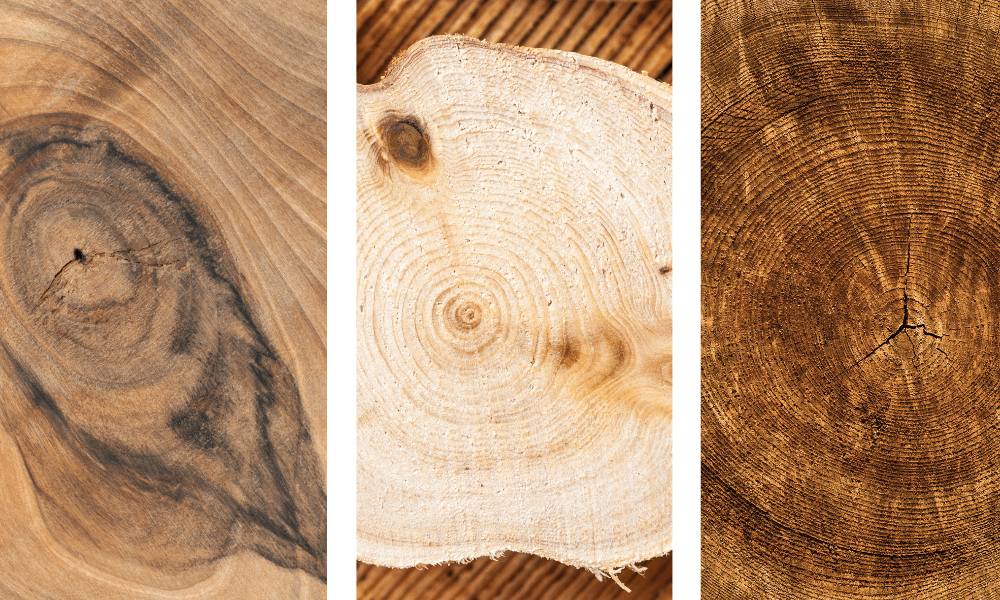
The wood used in traditional Moroccan craftsmanship is typically walnut, thuya, or olive wood. These materials are highly valued for their natural beauty, durability, and pleasant aroma. Each type of wood is chosen carefully based on its quality and intended use.
2. Wood Drying Process

Before shaping the wood, it is left to dry naturally over a period of time to reduce its moisture content. This essential step helps prevent warping and ensures long-lasting strength and stability.
3. Design and Pattern Creation
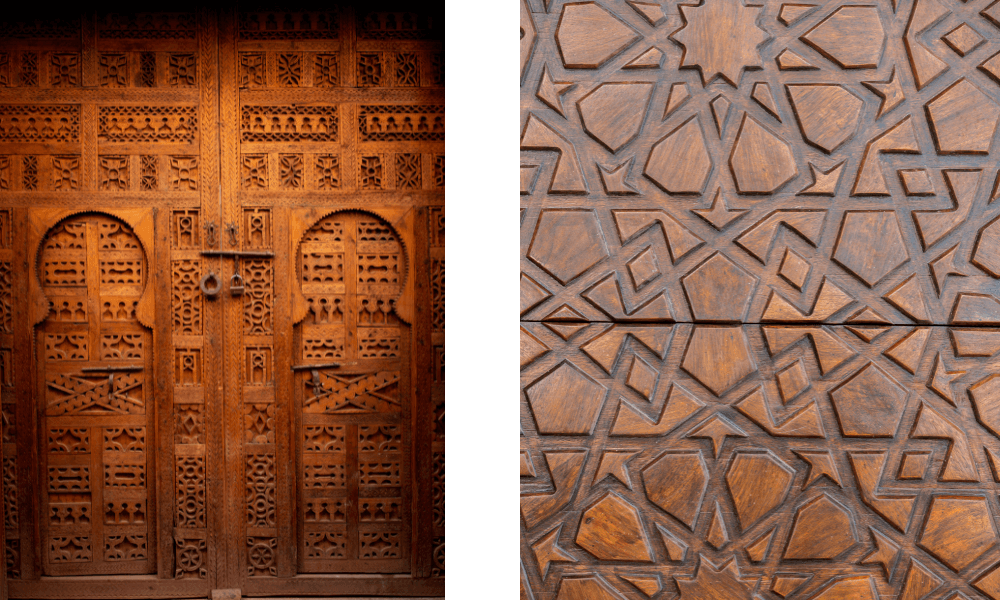
Moroccan artisans are renowned for their intricate designs and detailed geometric patterns. Traditional Islamic motifs, often inspired by zellij and gebs designs, are commonly incorporated into wooden creations, reflecting Morocco’s deep artistic and cultural heritage.
4. Traditional Woodworking Techniques
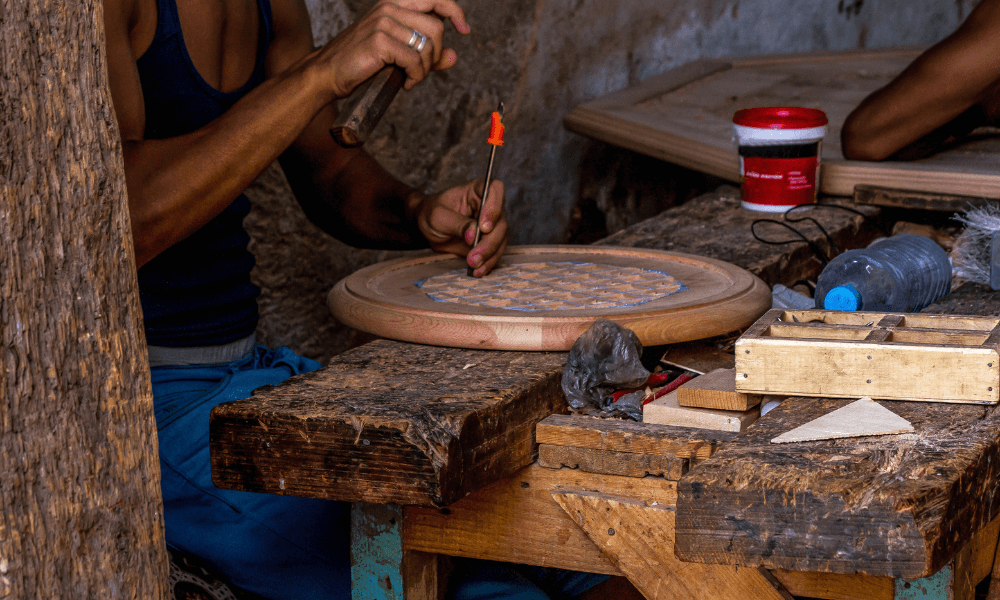
Artisans rely on traditional hand tools such as saws, chisels, planes, and hammers to carve and shape the wood. In some cases, marquetry techniques are used to create delicate inlaid patterns that add depth and character to each piece.
5. Assembly Without Nails
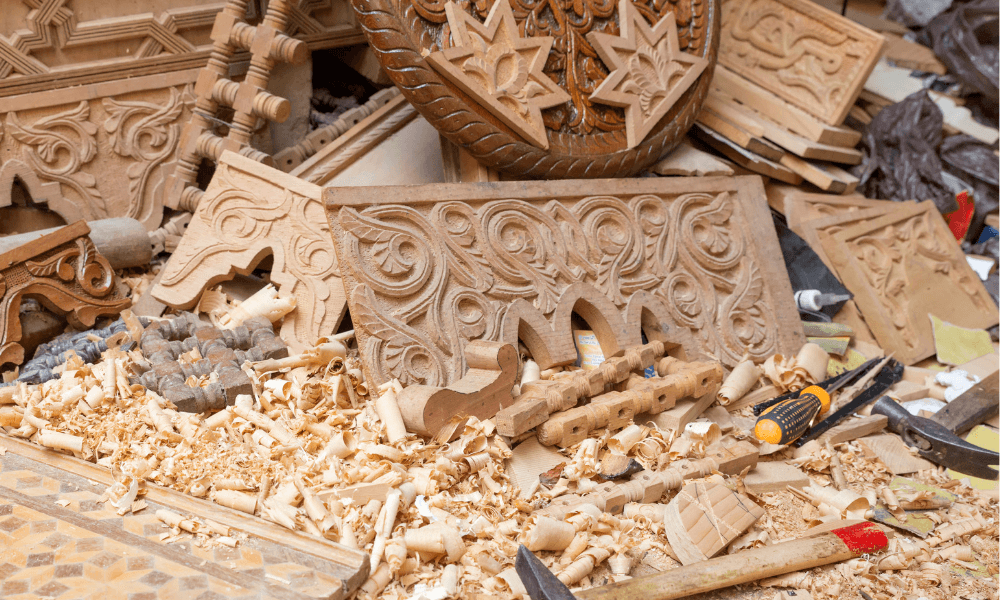
Wooden pieces are assembled using traditional joinery methods such as mortise and tenon joints, wooden dowels, or dovetail joints—without nails or screws. This ancient technique ensures both strength and elegance while preserving the authenticity of the craft.
6. Finishing and Protection
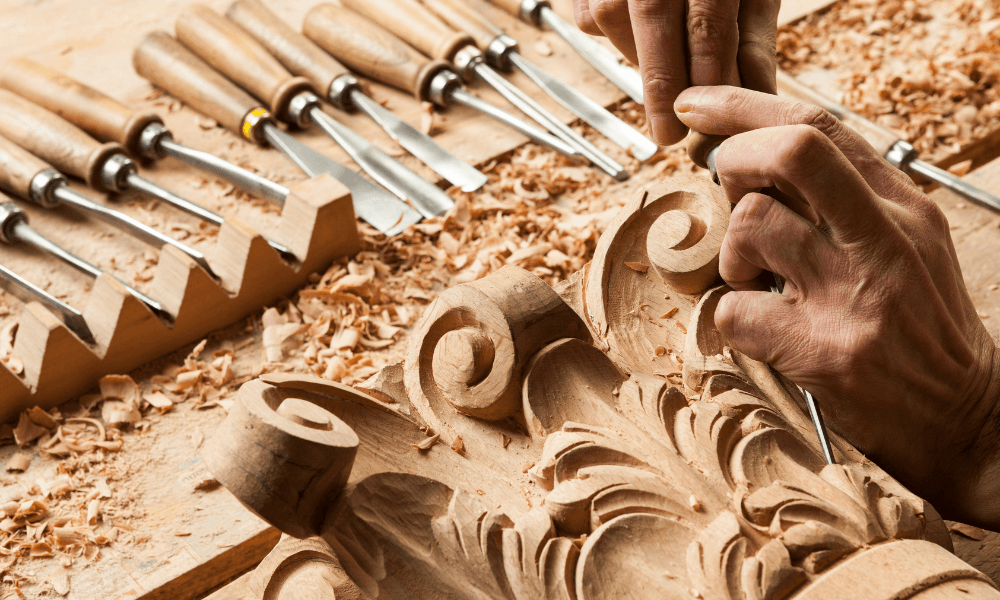
Once assembled, the piece is carefully sanded to achieve a smooth surface. Natural finishes such as lacquer, beeswax, or olive oil are then applied to protect the wood and enhance its natural grain and color.
7. Decorative Details
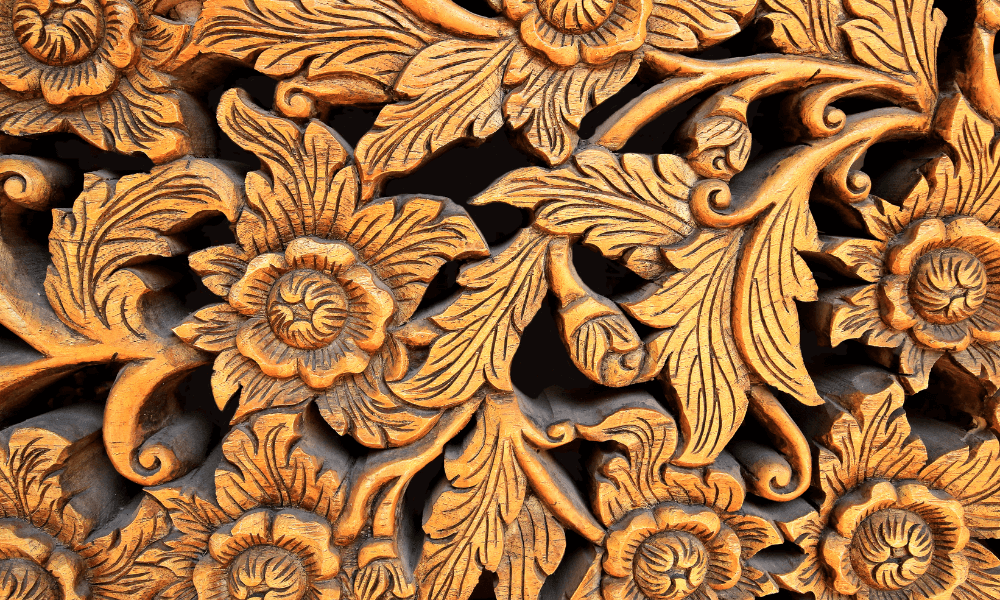
Many Moroccan wooden items are further enhanced with decorative elements, including metal inlays, bone or mother-of-pearl details, Arabic calligraphy, or hand-painted designs. These embellishments make each piece truly unique.
8. Traditional Uses of Wooden Crafts in Morocco

Traditional Moroccan wooden items are widely used in interior décor, architecture, ceremonial settings, and religious rituals. Handcrafted wooden doors, for example, are iconic architectural features found in many Moroccan homes and riads.
Traditional wood craftsmanship in Morocco is an art that requires time, skill, and patience. Moroccan artisans continue to preserve these ancestral techniques, creating one-of-a-kind pieces that beautifully reflect the country’s culture, history, and artistic identity.
0 comments